Why the Radon Measurement Period Matters for Accurate Testing
Understanding the Radon Measurement Period
When I first started testing homes for radon, I assumed a quick measurement would be enough. A few days, maybe a week, and you would know the risk. But the reality is more complicated. Radon levels in a house can change from hour to hour and season to season. That is why the radon measurement period, the length of time you run a test, is one of the most important factors in getting a reliable result. Get it wrong and you might miss a real problem or overreact to a temporary spike.
I have seen homeowners buy a charcoal canister from a hardware store, leave it out for two days during a cold snap when windows were shut tight, and then assume the high reading meant they needed immediate mitigation. On the flip side, I have watched people open windows for a week before testing and then conclude their home was safe when the long-term average told a different story. The measurement period shapes everything that follows.
Short-Term Versus Long-Term Measurement
The two main approaches are short-term measurement and long-term measurement. A short-term test usually runs for two to seven days. It gives you a snapshot. That can be useful if you need a quick answer, such as during a real estate transaction or after you install a radon mitigation system and want to verify it works. But a short-term measurement comes with a big caveat: it reflects conditions during that specific week, not the year-round average.
Long-term measurement, on the other hand, runs for three months to a full year. An alpha track detector is the classic tool for this. It sits in your living space, collecting data over many seasons, and gives you a more stable picture of your actual radon exposure. The EPA radon guidelines recommend long-term testing as the best way to decide whether you need radon reduction. They are not wrong. A single week in July might show low levels, but come January, when the house is sealed and the radon fan is working harder, the numbers can climb.
What Influences the Right Measurement Period
Several factors affect how long you should test. The first is the purpose of the test. If you are a homebuyer trying to close on a house, you probably do not have three months. You need a short-term answer. But if you have lived in your home for years and just want to check your indoor air quality, a longer measurement period gives you better information to act on.
The second factor is the weather. Radon levels tend to be higher during colder months because the house is closed up and the stack effect pulls soil gas through cracks in the foundation. If you test only in summer, you might underestimate your risk. The radon zone map for St. Louis radon shows that much of the area is in Zone 1, meaning the average indoor radon level is predicted to be above the EPA action guideline of 4 pCi/L. But that is an average. Individual homes vary wildly based on construction, soil, and the HVAC system.
A third factor is the type of test kit you use. A charcoal canister is inexpensive and works well for short-term measurement, but it has a limited absorption window. Leave it too long and it can saturate, giving a false low reading. A continuous radon monitor can log hourly data over days or weeks, which is great for spotting patterns. An alpha track detector is designed for long-term measurement and will remain accurate for months. Each device has a recommended measurement period, and ignoring that recommendation can skew the results.
Why the Radon Measurement Period Matters for Mitigation Decisions
I once consulted with a family in St. Louis who had tested with a charcoal canister over a rainy weekend in April. Their result was 4.5 pCi/L, just above the EPA guideline. They called a radon contractor and were about to spend thousands on a sub-slab depressurization system. I suggested they run a longer test first, using an alpha track detector over three months. That test came back at 2.1 pCi/L. The short-term measurement had caught a temporary spike from the rain and low barometric pressure. A full radon measurement period would have saved them unnecessary work and expense.
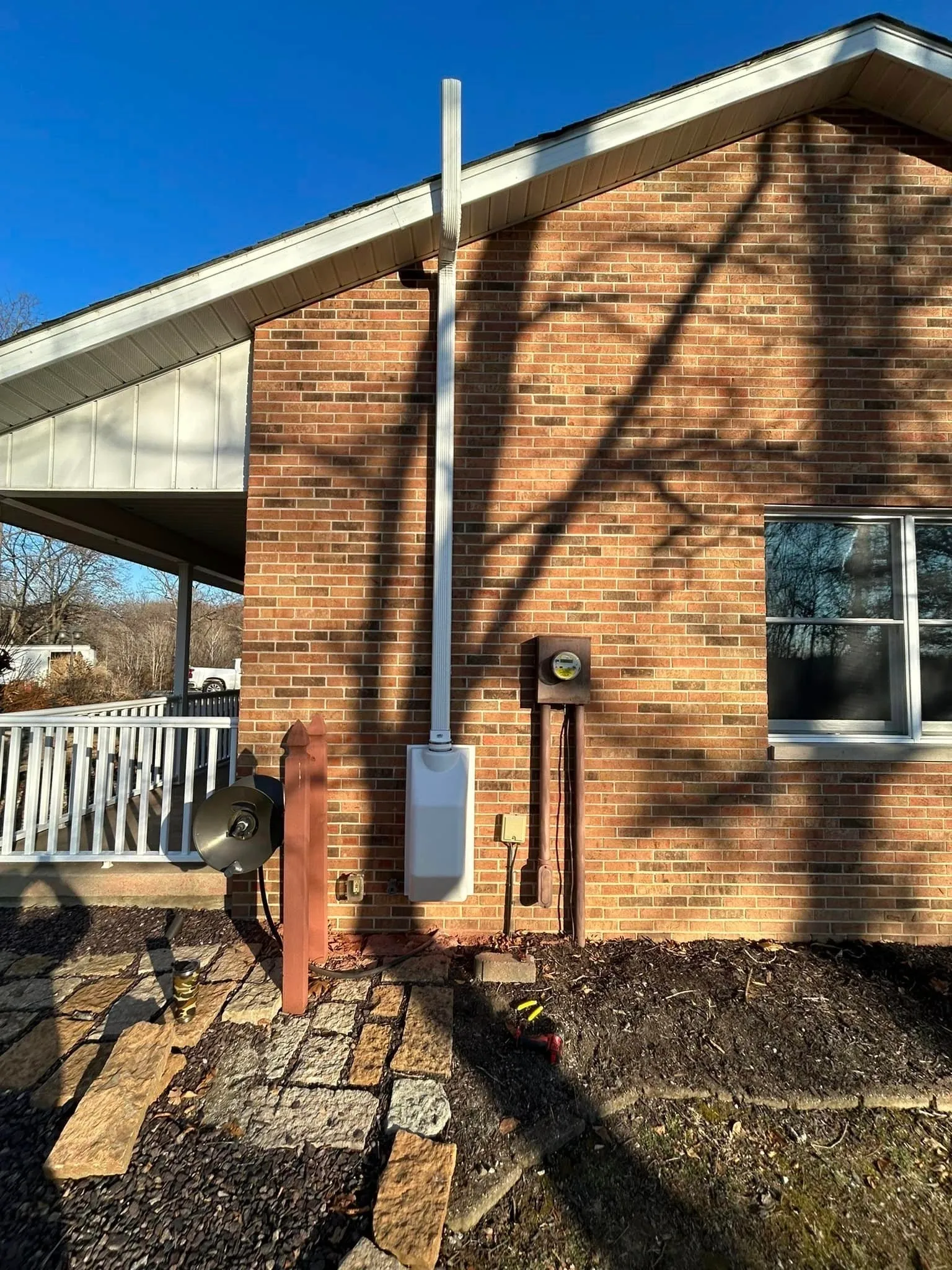
That is not to say short tests are useless. They have their place. But you need to understand what they represent. A short-term measurement during a real estate transaction is often acceptable because both buyer and seller need a rapid answer. But the contract should also allow for a post-mitigation test if the initial result is high. And if you do install a radon mitigation system, the post-mitigation test should follow a proper radon measurement period to confirm the system is working. I have seen people run the radon fan for one day, test for two days, and declare victory. That is not enough. Give the system time to stabilize and the soil gas to adjust before you measure.
Practical Advice for Homeowners
If you are testing your own home, here are a few guidelines I share with clients:
- Start with a short-term measurement if you need a quick check, but treat the result as preliminary. Do not make permanent decisions based on a single weekend reading.
- For a more reliable assessment, use an alpha track detector over at least 90 days. That is the radon measurement period the EPA recommends for deciding whether to mitigate.
- If you are buying or selling a home, use a continuous radon monitor or a charcoal canister for the shortest reliable test, and make sure the test is conducted during normal occupancy conditions.
- After you install a radon mitigation system, wait at least 24 hours with the system running, then conduct a post-mitigation test using the same measurement period as your baseline test.
Remember that radon exposure is a cumulative risk. A high reading for one week is less concerning than a moderate reading that persists for years. That is why the radon measurement period matters more than the raw number on the test kit. A long-term measurement gives you the dose, not just the peak.
The Role of Professional Help
If the idea of managing your own test sounds overwhelming, or if you want the most accurate answer possible, a radon contractor like Air Sense Environmental can help. They know the local soil conditions, the typical construction styles in St. Louis radon zones, and the right equipment for each situation. They also understand the nuances of the measurement period for different devices and can interpret the results in context. That is worth something when your family's health and your home's resale value are on the line.
Whether you test yourself or hire a pro, the core lesson is the same: do not rush the measurement. Give the radon test kit enough time to capture the real picture of your indoor air quality. Your lungs will thank you.
Ends · RADONMEASUREMENTPERIODBLOG